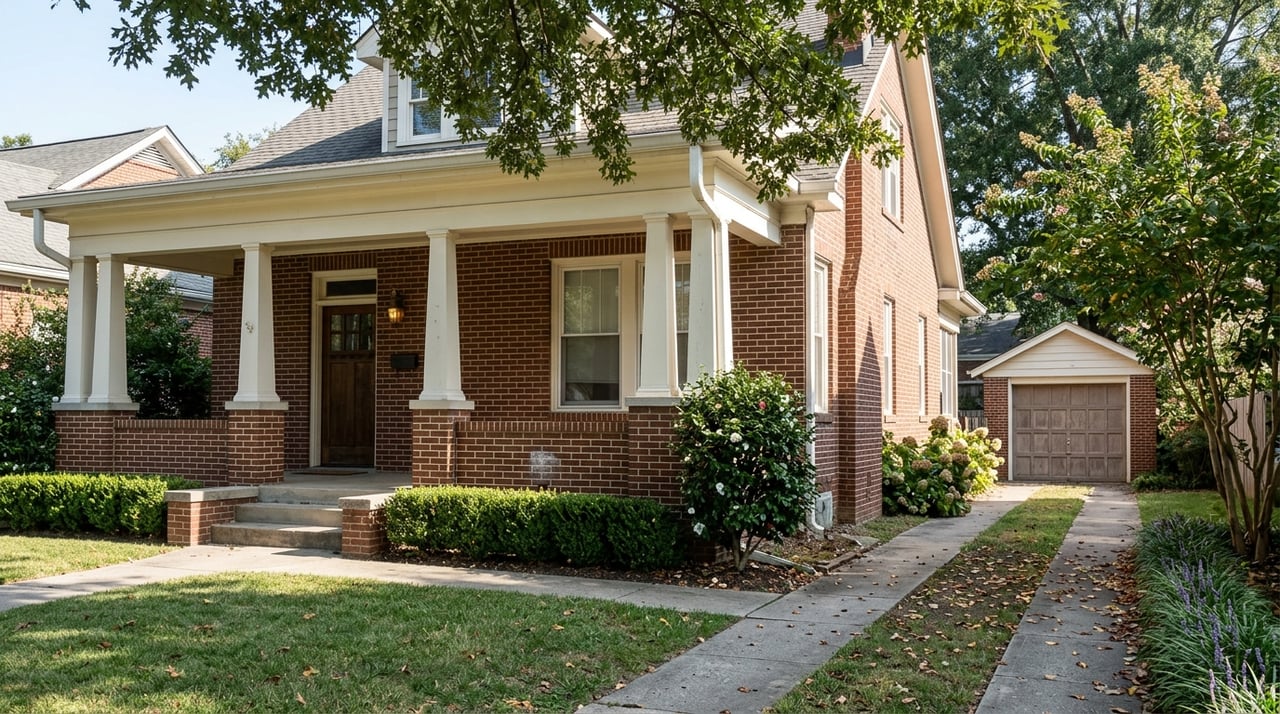
Augusta Road's Median Price Fell 20%. The Street Didn't.
August 27, 2026
August 27, 2026
A buyer forwarded me a screenshot last week. Augusta Road's median sale price, down 20 percent year over year. The message underneath it was simple: does this mean I can finally get a deal on Augusta Road?
I get some version of this question every few months, usually from someone comparing neighborhoods with a spreadsheet open in another tab. The number is real. The conclusion most people draw from it is not.
Over the three months ending June 2026, Augusta Road's median sale price came in at $917,131, a drop of 20.2 percent from the same period a year earlier. If you stopped reading there, you'd assume the neighborhood had taken a serious hit. Sellers list nervously. Buyers start drafting lowball offers. Everyone treats the street like it just got a lot more affordable.
Then you look at the number sitting right next to it: sales volume on Augusta Road jumped 41.3 percent over that same window. More homes closed, not fewer. That is not what a cooling market looks like. A market where demand is falling produces fewer transactions, not more of them at lower prices. Something else is happening here, and it has nothing to do with buyers losing interest in Augusta Road.
The number that tells the real story is price per square foot, and it barely budged. It fell only about 3.5 percent over the same period, a fraction of the drop in the median.
| Metric (3 months ending June 2026, YoY) | Change |
|---|---|
| Median sale price | down 20.2% |
| Price per square foot | down ~3.5% |
| Homes sold | up 41.3% |
| Days on market | 52, up from 44 a year ago |
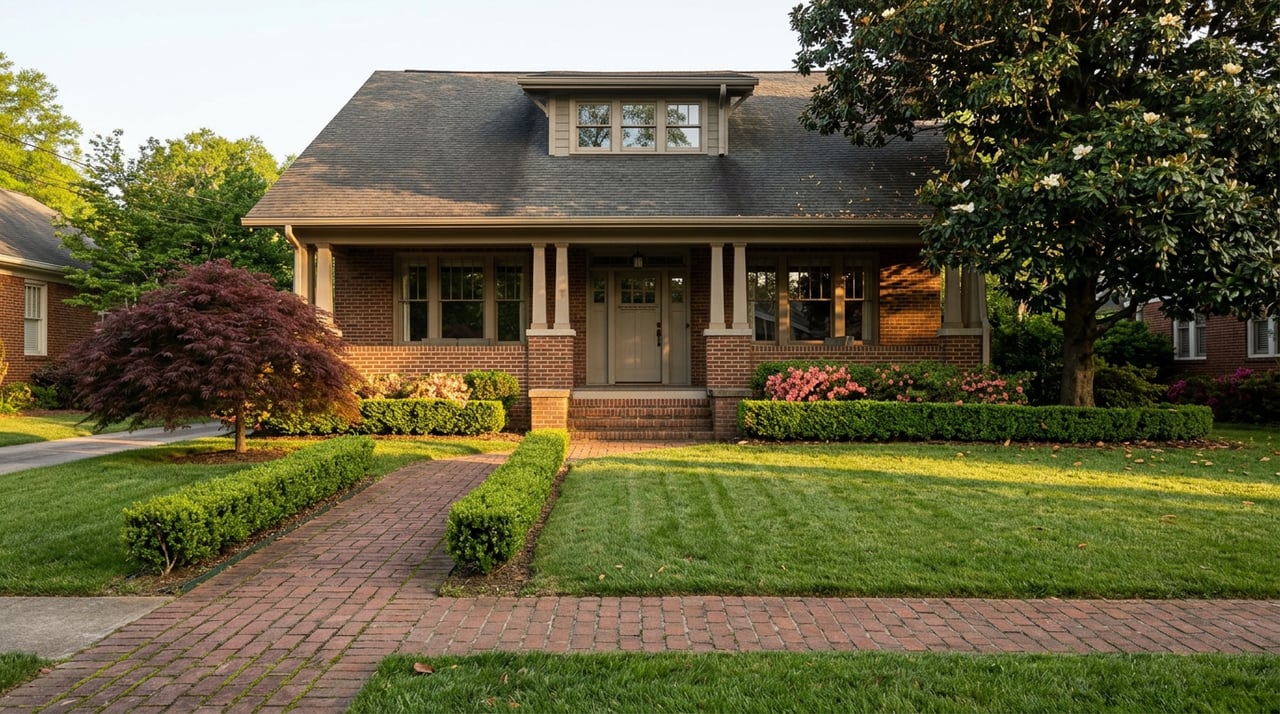
Put those four rows together and a different story appears. A lot more homes traded on Augusta Road this year, and the crop of homes that traded skewed smaller and cheaper than what sold the year before. That pulls the median down hard without actually repricing anyone's house. If your neighbor's 3,800-square-foot Craftsman sold for $1.1 million last year and this year the transactions include more 1,600-square-foot bungalows near the edge of the district, the median falls even though every single house on the street is worth roughly what it was worth twelve months ago.
This is a mix shift, not a correction. It is the same statistical trap that makes a hospital's average patient age drop the moment a maternity ward opens next door. Nothing about the existing patients changed. The mix did.
If you go looking, you'll find another commonly cited Augusta Road median sitting around $760,000, up modestly from the year before. That is not a typo and it is not a contradiction. Different platforms pull from different trailing windows and different definitions of neighborhood boundaries, and Augusta Road's boundary lines get drawn differently depending on who you ask. One dataset's three-month window can look completely different from another's twelve-month rolling average, especially in a neighborhood where only a few dozen homes trade in a given quarter.
That's the actual lesson here. The median is a headline number built for skimming, not for decisions. On a street with this much variance in home size, lot type, and renovation status, the median can tell you almost nothing about what your specific house, or the specific house you're bidding on, is actually worth.
If the median won't tell you the real story, what will? Price per square foot gets you closer, but the real premiums on Augusta Road live in details that never show up in a headline stat.
Corner lots and homes with rear alley access consistently command more. So do the roughly 18 percent of Augusta Road properties with a detached garage or workshop, which are rare enough on this lot pattern to function as a genuine differentiator rather than an amenity everyone already has. Location within the neighborhood matters too, and not in a vague way. East Tallulah Drive is known for wider lots and mature specimen trees. Mount Vista carries a walkability premium tied to its double sidewalks. The Rockwood Park section sits close to both the park and Greenville Country Club, which shows up in what buyers are willing to pay for it.
None of that shows up when a listing site tells you the neighborhood median dropped 20 percent. It only shows up when you compare a specific house against homes of similar square footage on a similar type of street, which is a different exercise than reading a headline number off a market report.
If you're a buyer who saw that 20 percent drop and started planning an aggressive opening offer, recalibrate before you write it. The homes actually worth what they were worth a year ago haven't gotten cheaper. What changed is that more entry-tier Augusta Road homes came onto the market and sold, which is a supply story, not a discount. Price per square foot against a genuine comp set is still your best gauge of what a fair number looks like.
If you're shopping near that $917,131 median, get your financing conversation started early. Depending on your down payment, a purchase in that range puts you into jumbo loan territory, and jumbo qualification runs on a different track than a conventional loan. That's not a reason to wait. It's a reason to have the lender conversation before you're competing for a house, not during the option period.
If you're a seller who watched that median headline and started second-guessing your list price, don't reprice off a number that describes a different set of houses than yours. Homes are still moving in about 52 days on Augusta Road, only a little slower than a year ago, and well-prepared listings in this neighborhood are still finding buyers. The market didn't get harder for you. The available data just got easier to misread.
Does a falling median mean Augusta Road is now a buyer's market? Not on its own. A falling median driven by more transactions and stable price per square foot is a sign of healthy turnover, not softening demand. Look at price per square foot and days on market together before drawing that conclusion.
Is $900,000 the real entry point for Augusta Road now? No. The neighborhood spans a wide range, from smaller Craftsman bungalows near the edges to larger estates closer to the country club. The median reflects whatever mix of homes happened to sell in a given window, not a price floor.
How does this affect an appraisal? Appraisers work from specific comparable sales, matched on square footage, lot type, and condition, not neighborhood-wide medians. A shift in the median doesn't change how your specific home gets appraised, though it's worth discussing your comp set with your agent before you list or make an offer.
Augusta Road rewards buyers and sellers who look past the number everyone else is quoting. If you're trying to figure out what a specific house on this street is actually worth, or how to position one for sale without getting spooked by a headline stat, David Dunford can walk through the real comps with you. Let's Connect.
Stay up to date on the latest real estate trends.
Whether you're buying, selling, or just need some advice, David is here to provide expert, personalized assistance