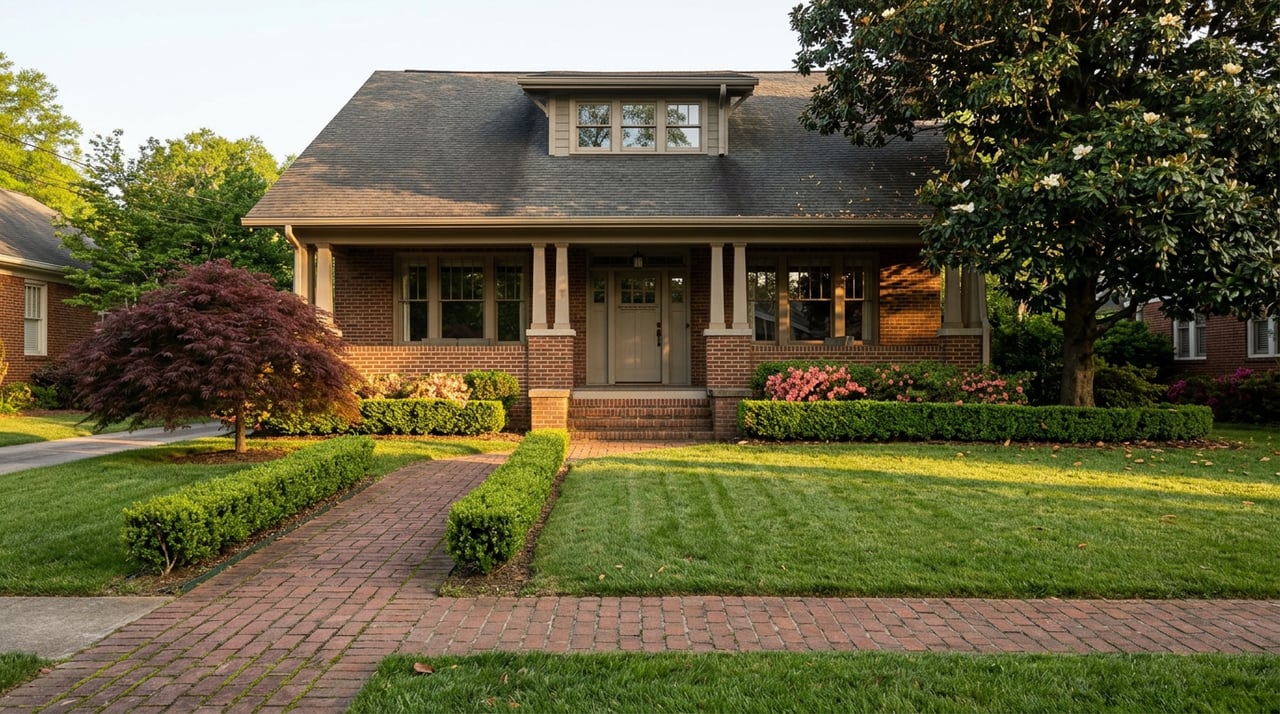
North Main's Historic District Only Covers Part of the Neighborhood, and That Changes What You Can Renovate
September 3, 2026
September 3, 2026
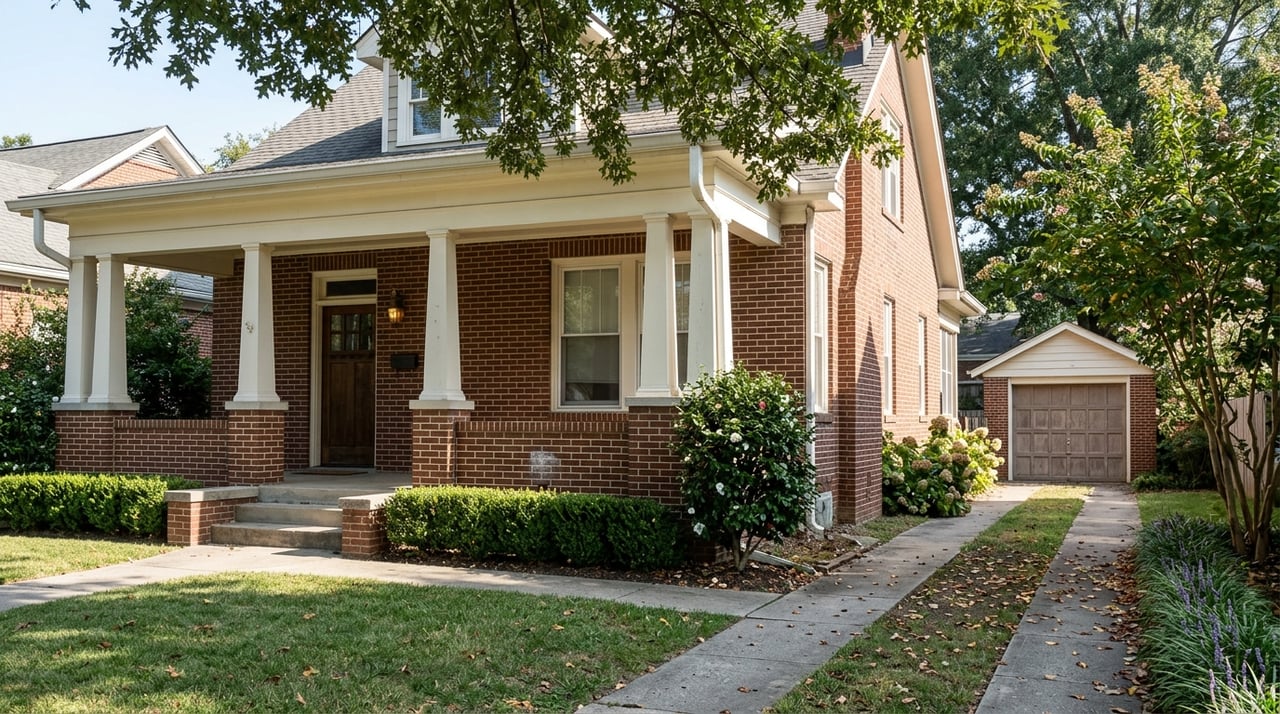
Two brick homes built within a decade of each other sit four blocks apart in North Main. The owner on Earle Street wants to replace the original windows with something more efficient and has to file a Certificate of Appropriateness with the City of Greenville before a contractor touches the frame. The owner over in Dellwood wants to do the same project and can call a window company Monday morning.
North Main's historic label can be misleading: a boundary runs through the neighborhood and stops well short of its full footprint, even though listings and neighborhood guides use the word "historic" to describe all of it.
North Main sits north of Stone Avenue, bounded by Mohawk Drive and Chick Springs Road on one side, North Pleasantburg Drive on another, and Worley Road, Rutherford Street, and Rutherford Road on the third. That footprint is wide enough to hold the Colonel Elias Earle Historic District, the Dellwood subdivision, Stone Lake, and blocks of brand new construction going up this year. Homes here span roughly eight decades, from 1940s brick bungalows to houses finished in 2026, and a meaningful share of the neighborhood's listings describe themselves as bungalows.
Most of that housing stock earns the word historic honestly. But only one section of North Main carries legal weight behind the label. The Colonel Elias Earle Historic District earned National Register status in 1982 and became Greenville's second locally designated Preservation Overlay District in 1984, which put it under the authority of the city's Historic Review Board. Everything outside that boundary, including Dellwood and Stone Lake, sits in North Main's base zoning with no local overlay attached.
The distinction that trips people up is the difference between a National Register listing and a local overlay designation. A National Register listing recognizes a building or district's historical significance and can open the door to certain tax incentives. A local Preservation Overlay District does something different: it involves review by the city's Historic Review Board. The Earle district carries both designations. Most of North Main carries neither.
If an address falls inside the Earle Historic District boundary, the Historic Review Board reviews applications for a Certificate of Appropriateness before certain exterior work can move forward. The board works from the Secretary of the Interior's Standards for Rehabilitation and design guidelines written specifically for the district. City of Greenville application instructions require a notice sign to be posted on the property between 15 and 18 days before the review board meets.
Similar projects a few blocks away in Stone Lake or on most of Dellwood's streets fall outside the Earle district boundary, even when the house is the same age and the same style. The boundary, not the decade the house was built, determines whether an address falls inside the Earle district.
| Earle Historic District | Rest of North Main (Dellwood, Stone Lake, and similar blocks) | |
|---|---|---|
| Typical home era | 1910s-1930s | 1940s-1960s, plus new construction |
| Exterior changes (windows, siding, additions, fences) | Certificate of Appropriateness required | No design review required |
| Reviewing body | City of Greenville Historic Review Board | None |
| Public notice before work | Sign posted 15-18 days before board meeting | Not applicable |
| National Register status | Yes, since 1982 | Varies, no local overlay attached |
While the overlay boundary decides what you can build, it has no bearing on what a seller has to disclose. South Carolina's Residential Property Condition Disclosure Act applies to every qualifying home sale in North Main, an Earle Street bungalow and a Dellwood ranch alike. State law requires a seller to hand the buyer a completed disclosure statement before a contract is signed, using the standard form published by the South Carolina Real Estate Commission.
The standard sellers actually have to meet is narrower than most expect. According to DeBruin Law Firm, the law requires disclosure of what an owner has actual knowledge of. It creates no duty to hire an inspector before filling out the form, and a seller who genuinely doesn't know about a cracked foundation or aging cast iron plumbing common to homes of this era isn't required to go looking for it. What the law does require is good faith honesty about what's already known, along with a willingness to correct the disclosure if new information surfaces before closing, a continuing duty described by Nolo. A seller who learns something new after handing over the form has a continuing duty to amend it or make reasonable repairs, and the penalties for knowingly hiding a known defect include actual damages, court costs, and the buyer's attorney fees.
For a neighborhood spanning eight decades of construction, federal lead-based paint disclosure rules are another consideration for sellers, whether or not a home sits inside a historic overlay or three streets outside one.
If you're circling a house in North Main with renovation plans, the first question isn't whether the neighborhood is historic. It's whether your specific parcel sits inside the Earle Historic District boundary. That single fact determines whether a window swap needs a hearing date on a city calendar or just a contractor's schedule. City planning staff can confirm which side of the line an address falls on before you're deep into a contract, and it's worth asking before assuming either extreme, that the whole neighborhood is locked down or that none of it is.
If you're selling, the overlay question and the disclosure question are two separate conversations. One determines what your buyer can do to the house after closing. The other determines what you owe them before it, and that second one doesn't shift no matter which block the house sits on.
What distinguishes National Register listing from a local Preservation Overlay? National Register status recognizes historical significance and can make a property eligible for certain tax incentives. A local Preservation Overlay is a separate local designation; the Earle Historic District carries both.
How do I find out if a specific North Main address sits inside the Earle Historic District boundary? City of Greenville planning staff maintain the boundary maps and can confirm an address before you buy or before you pull a permit. It's worth asking early, especially if your plans include anything visible from the street.
Does the South Carolina disclosure law change for homes inside a historic overlay? No. The Residential Property Condition Disclosure Act applies the same way to every covered residential sale regardless of overlay status. The form, the actual knowledge standard, and the penalties for a knowing violation are identical whether the house sits on Earle Street or in Dellwood.
Buying or selling in North Main means understanding which rules follow the house and which follow the street. If you're weighing a property here and want a straight answer on where it falls, David Dunford is a good place to start that conversation. Let's Connect.
This article is general information, not legal, tax or financial advice. Consult a qualified professional about your situation.
Stay up to date on the latest real estate trends.


Whether you're buying, selling, or just need some advice, David is here to provide expert, personalized assistance