Buying A Historic Home In Alta Vista: What To Expect
June 4, 2026
June 4, 2026
Old homes can be incredibly rewarding, but they rarely behave like brand-new construction. If you are thinking about buying a historic home in Alta Vista, you are likely drawn to charm, location, and character, while also wondering what surprises may come with the purchase. This guide will help you understand Alta Vista’s historic context, the kinds of features and updates you may encounter, and the due diligence that matters most before you buy. Let’s dive in.
Alta Vista has deep roots in Greenville’s early in-town growth. One of the neighborhood’s strongest documented historic anchors is the Lanneau-Norwood House on Belmont Avenue, described by the South Carolina Department of Archives and History as a circa 1877 Second Empire brick mansion that originally stood at the center of the area now known as Alta Vista.
Greenville’s historic context study also ties the neighborhood to the John W. Norwood estate, which later became the Alta Vista subdivision on McDaniel Street. For you as a buyer, that means Alta Vista’s history is connected to Greenville’s early-20th-century expansion rather than a single wave of newer development.
That history helps explain why homes in and around Alta Vista often feel layered and distinctive. You may see details and layouts that reflect changing design preferences over time instead of a one-style-fits-all neighborhood pattern.
One of the most important things to understand is that historic significance and historic regulation are not the same thing. A property may be historically notable without being subject to local design review for exterior changes.
According to the National Park Service, National Register listing by itself does not restrict a private owner unless federal assistance or permits are involved. In Greenville, mandatory exterior review applies when a property falls under local historic-review rules, such as a designated historic district process.
If you are considering exterior work, verify the property’s status before making plans. Greenville’s permit portal notes that a Certificate of Appropriateness is required for exterior alterations in a designated historic district, and the city’s Historic Resources Survey explains that local designation typically comes with design guidelines and public review procedures.
Alta Vista is best understood as a mix of architectural influences rather than a neighborhood with one dominant style. The documented landmark tied to the area is Second Empire, while nearby Greenville historic districts from the same broad era include Queen Anne, Colonial Revival, Craftsman and Bungalow, Tudor Revival, Neo-Classical, Prairie, and late Victorian examples.
For you, that usually means each property needs to be evaluated on its own terms. Two homes on nearby streets may have very different rooflines, window types, porch details, and floor plans, which can affect both maintenance needs and renovation decisions.
This variety is part of Alta Vista’s appeal. It also means you should avoid broad assumptions about what will be simple or expensive to update until you have inspected the specific house carefully.
In older homes, the most common renovation themes are usually practical. You are more likely to encounter kitchen and bath updates, mechanical-system modernization, selective repair of older materials, and carefully planned additions than purely cosmetic changes.
That matters because preservation-minded work is often less about making everything new and more about deciding what should be repaired, upgraded, or left intact. National Park Service guidance emphasizes that roof forms, windows, porches, interior plans, and historic materials can be character-defining features.
If a past renovation respected those elements, that is often a positive sign. If updates removed or simplified original details, you may want to understand what was changed and whether future work can still preserve the home’s overall character.
Windows deserve close attention in an older home. The National Park Service advises owners to evaluate repair versus replacement carefully because historic windows often contribute significantly to a building’s character.
Roofs and porches also deserve a careful look. Roof shape, roof covering, and porch details are often among the first features that define how a historic home looks from the street, so they should be repaired or restored thoughtfully rather than altered casually.
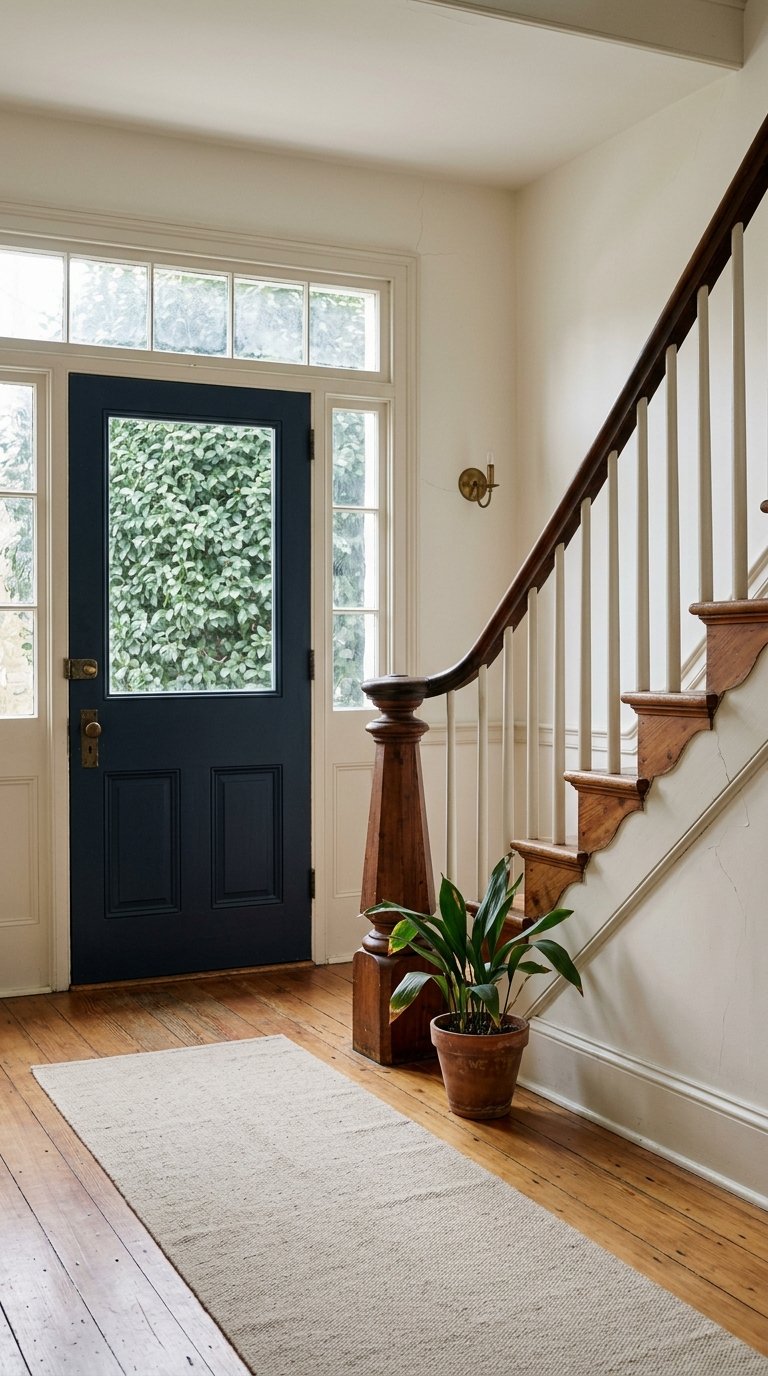
Inside the house, older floor plans may not function like newer construction. Room layouts, stair placement, trim, and other interior features can be important parts of the home’s historic character.
Before reconfiguring interior space, it helps to document what is there. Even if you plan to modernize, understanding which features are original can help you make smarter decisions about what to preserve and where changes will have the least impact.
Energy improvements in a historic home can be worthwhile, but they need a different mindset. National Park Service guidance recommends assessing the building’s existing performance first instead of forcing the house to behave like new construction.
In practice, that means thoughtful upgrades usually work better than automatic replacement. Poorly planned insulation, HVAC changes, or window projects can affect historic materials, alter important spaces, or even create moisture issues.
A standard home inspection is a good starting point, but it is rarely the full picture for a historic property. Depending on the home, you may also want specialty inspections for the structure or foundation, roofing, masonry or chimney conditions, HVAC, electrical, plumbing, and wood-destroying insects.
That extra diligence is important because older homes often hide issues in places casual walk-throughs cannot fully reveal. A beautiful kitchen update does not tell you much about the crawlspace, flashing, drainage, or condition of older systems.
If you are buying in Alta Vista, this is where a calm, organized process matters. The goal is not to be alarmed by age, but to understand the house clearly before you commit.
In South Carolina, wood-destroying insect inspections are especially important. Clemson’s official Wood Infestation Report is based on visible and accessible areas, and its substructure scope is limited to the area below the first main floor.
It is also important to know what is not included by default. Detached garages, sheds, fences, and other separate structures are not covered unless specifically noted on the report.
That means you should read the report carefully and ask questions about scope. If a property includes additional structures, you may need to request more targeted evaluation.
Lead is another major consideration in older housing. The EPA states that most homes built before 1978 fall under the federal lead disclosure rule, which requires sellers to disclose known lead-based paint or lead hazards.
If renovations will disturb lead paint in pre-1978 housing, certified renovators must follow lead-safe work practices. For you as a buyer, this is less about panic and more about planning responsibly before any sanding, demolition, or repainting work begins.
If you are serious about an Alta Vista home, do not wait until after closing to research its status. The South Carolina Department of Archives and History’s ArchSite GIS is a public starting point for checking whether a property already has survey information or National Register documentation.
Greenville’s Historic Resources Survey is another useful planning tool. It is intended to help identify and evaluate historic resources, which can be helpful if you are trying to understand how a property may be viewed in future planning or review decisions.
This kind of research will not replace inspections or design advice, but it can help you ask better questions early. That is often where buyers avoid expensive assumptions.
Owning a historic home usually means maintenance needs a proactive schedule. Moisture control is one of the biggest long-term priorities because unwanted water can damage historic materials over time.
The National Park Service identifies a weather-tight roof as basic to preservation, and its guidance on moisture control points owners toward regular attention to roofs, gutters, flashing, grading, and drainage. In simple terms, keeping water out is one of the best ways to protect both character and value.
Wood-destroying insects also deserve ongoing attention in South Carolina. Clemson identifies termites and other structural pests as a statewide issue, which is why routine monitoring matters even after a clean report during the purchase process.
The best Alta Vista purchases often strike a balance between everyday comfort and respect for the home’s original character. You do not need to freeze a house in time, but you do want improvements to work with the building rather than against it.
That usually means preserving character-defining features where possible, treating exterior changes carefully, and relying on qualified specialists when systems or older materials need work. A thoughtful approach often protects both your enjoyment of the home and the integrity that made you love it in the first place.
If you are weighing whether a specific Alta Vista property is the right fit, the key is clarity. The more you understand about condition, review requirements, and long-term stewardship before you buy, the more confident your decision will be.
If you are considering a character home in Alta Vista and want steady, local guidance through the search, inspection, and decision process, David Dunford can help you stay informed, prepared, and at ease.
Stay up to date on the latest real estate trends.
Whether you're buying, selling, or just need some advice, David is here to provide expert, personalized assistance