Condo And Townhome Living In Downtown Greenville
May 14, 2026
May 14, 2026
If you love the idea of walking to dinner, catching a show, and spending time by the river without planning your whole day around driving, downtown Greenville is easy to picture yourself in. At the same time, condo and townhome living comes with real tradeoffs, from parking and HOA rules to how much private space you want. If you are weighing an in-town move, this guide will help you understand what daily life looks like, what these homes typically offer, and how to think about the choice with clarity. Let’s dive in.
Downtown Greenville is built around a compact, walkable core. The Main Street corridor runs through a tree-lined district that stretches from NOMA Square and ONE City Plaza past the Peace Center and RiverPlace to the West End. Within that area, you have boutiques, galleries, restaurants, public art, and major downtown gathering spots all close together.
That layout shapes how you live day to day. Instead of a suburban pattern where most errands mean getting in the car, many downtown routines can center on walking, biking, using the trolley, and planning around nearby parking. For many buyers, that access is the biggest reason condo and townhome living feels worth exploring.
Falls Park on the Reedy is also a big part of the downtown experience. With Liberty Bridge and the Reedy River Falls in the heart of downtown, outdoor time is woven into the area rather than set apart from it. If your goal is a lifestyle that feels connected to dining, arts, and public spaces, downtown Greenville offers a clear version of that.
Downtown condo inventory often leans boutique rather than high-rise and massive. In the downtown core, visible condo options include buildings with a relatively limited number of residences, which can create a more intimate ownership experience. That smaller scale is part of the appeal for buyers who want an urban location without feeling like they are in a large tower.
Some downtown condos are also more spacious than buyers expect. Current examples in the market include two-bedroom, two-bath layouts in the 1,800 to 1,999 square-foot range. That tells you something important about downtown Greenville condo living: the value is not only about being small and efficient, but also about combining a central location with comfortable interior space.
In practical terms, many condo buyers in the core are choosing convenience first. You may give up a private yard, but you gain close access to Main Street, the Peace Center, Falls Park, RiverPlace, and the West End. For buyers who want a low-maintenance home base near downtown activity, that can be a strong fit.
Condo floor plans in the downtown core often center on two-bedroom layouts. That setup can work well if you want a primary suite plus a guest room, office, or flex space. It is a common middle ground for buyers who want enough room to live comfortably without taking on the upkeep of a detached house.
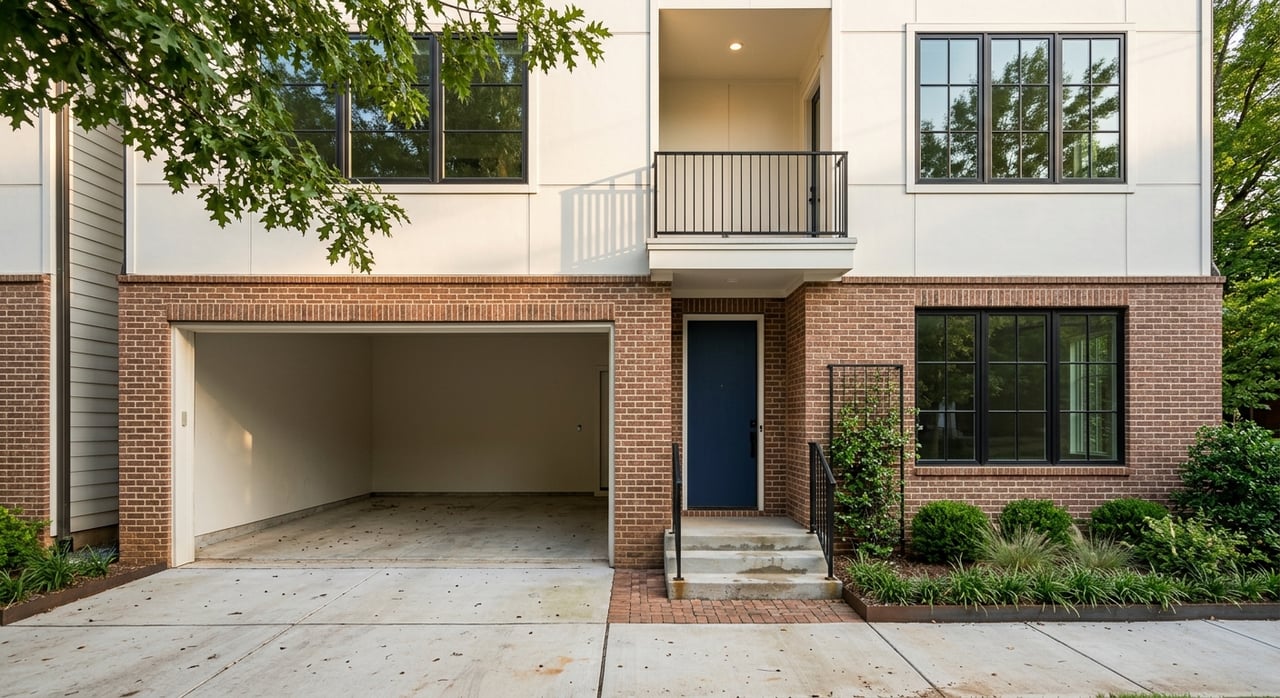
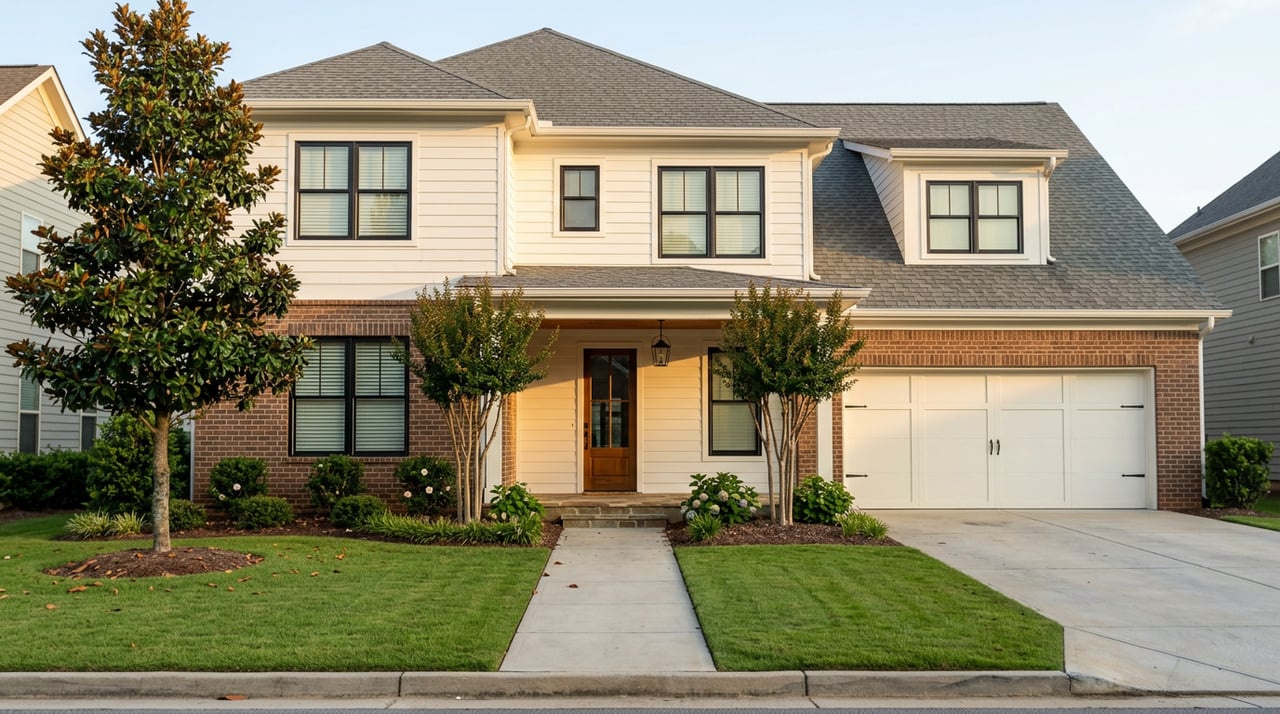
Townhomes near downtown often appeal to buyers who want more space, more privacy, or more parking while still staying close to the core. In many cases, they trade a little walkability for added square footage and a more layered floor plan. That trade can make sense if your lifestyle still centers on downtown, but you want features that are harder to find in a condo.
Near the core, townhome floor plans can range from about 1,692 square feet with two bedrooms and two-and-a-half baths to roughly 2,418 square feet with four bedrooms and three-and-a-half baths. Newer near-downtown townhomes also commonly include features like attached garages and private outdoor space. Those details matter more than buyers sometimes expect, especially if storage, parking, or outdoor living is high on your list.
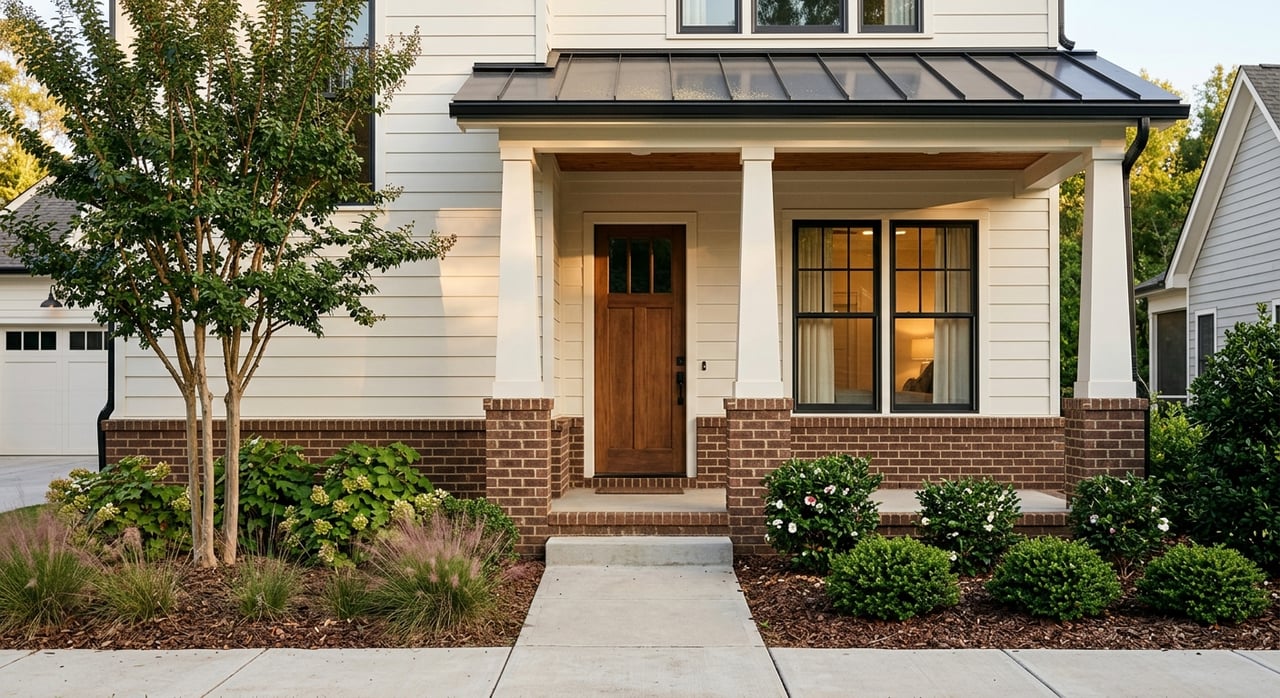
Some newer townhome communities near downtown include three-story plans, true two-car garages, kitchen-level patios, and balconies off the owner’s suite. That type of design supports a lock-and-leave lifestyle while still giving you more separation of space than a single-level condo often provides. If you want low maintenance but do not want to give up garage space or private outdoor areas, a townhome may be the better fit.
Townhomes near downtown often use vertical floor plans with two, three, or four bedrooms. That means you should expect stairs in many cases, along with living spaces spread across multiple levels. For some buyers, that layout adds privacy and flexibility. For others, it is a reason to look more closely at condos.
Parking is one of the most important practical questions to ask before buying downtown. Greenville offers more than 800 free on-street spaces and 14 public parking facilities, with free on-street parking subject to time limits. In city garages, the first hour is free, and monthly parking is available through the city based on space availability.
That means your parking plan should be specific, not assumed. If a condo or townhome does not include the number of spaces you want, you will want to understand how guest parking, city garage access, and street parking work for your routine. This is especially important if you expect regular visitors or need a reliable second vehicle solution.
Bike use is also built into the downtown setup. Bike racks are located throughout the area, which makes short trips easier if you want alternatives to driving. For buyers who like a car-light lifestyle, that can be a meaningful part of the downtown experience.
Downtown Greenville’s trolley adds another layer of convenience. It is free, wheelchair accessible, and runs Friday through Sunday year-round, with bike racks on board. The Main Street route operates Friday from 5 p.m. to 10 p.m., Saturday from 1 p.m. to 10 p.m., and Sunday from 1 p.m. to 8 p.m.
The trolley can make weekends and evenings simpler, especially if you are heading between Main Street, restaurants, and downtown activity areas. There are also eight low-cost city garages along the route, and the first two hours are free. It is not a substitute for every transportation need, but it does make a car-light downtown routine more realistic.
If you are moving from a detached home, HOA living is one of the biggest mindset shifts. Under South Carolina’s Horizontal Property Act, condo ownership includes exclusive ownership of your unit along with a shared right in the common elements. Those common elements can include roofs, lobbies, stairways, elevators, hallways, and central utility systems.
That shared structure affects both cost and responsibility. Co-owners contribute their share of administration, maintenance, and repair costs, and owners are expected to comply with the property’s bylaws and rules. In everyday terms, condo living often means less exterior upkeep for you personally, but more attention to dues, building policies, and what is maintained by the association versus what is maintained inside your unit.
For townhome communities governed by an HOA, South Carolina law also allows for a structured set of governing documents. These can include declarations, bylaws, architectural guidelines, rules, regulations, and amendments. The association manages and maintains the community and collects assessments for expenses like taxes, insurance, maintenance, and improvements.
Before closing on a condo or townhome, reviewing the HOA packet is a normal part of due diligence. Because governing documents must often be recorded to be enforceable, and owners may have access to budgets and other association records, you have an opportunity to understand how the community functions before you commit.
As you review documents, pay attention to topics like:
This is less about looking for problems and more about making sure the community matches how you want to live. A well-run association can support a smoother ownership experience, but only if the rules and costs fit your expectations.
For most buyers, the decision comes down to access versus space, with a few practical details layered in. Condos often put you closest to the downtown core and can simplify exterior maintenance. Townhomes often give you more square footage, more privacy, and better parking options, but sometimes with a little less immediate walkability.
Here is the simplest way to think about it:
Neither option is automatically better. The right fit depends on whether you care most about stepping out your door into the center of downtown or having a little more room and separation while keeping downtown close.
Downtown condo and townhome living can be a strong match if you want your home to support an in-town lifestyle. That often means valuing walkability, restaurants, arts venues, parks, and a more connected day-to-day routine. It can also appeal if you want reduced exterior maintenance compared with a detached house.
It may be less ideal if your top priorities are a large private yard, maximum separation from neighbors, or a very simple parking setup. Shared walls, community rules, and more structured ownership are part of the package. The key is to be honest about what will make you feel comfortable not just on showing day, but six months after move-in.
The best downtown purchase is not always the one with the flashiest finishes or the shortest walk to Main Street. It is the one that fits your actual routine, your parking needs, your comfort with HOA structure, and the amount of space you want to maintain. In downtown Greenville, those choices are especially personal because the lifestyle benefits are real, but so are the tradeoffs.
If you are comparing condos and townhomes in or near downtown, a focused local strategy helps. Understanding the building style, layout, parking setup, and HOA framework for each option can save you time and help you avoid a home that looks right online but feels wrong in daily life. If you want calm, candid guidance as you sort through the options, David Dunford is here to help.
Stay up to date on the latest real estate trends.
Whether you're buying, selling, or just need some advice, David is here to provide expert, personalized assistance