Greenville Eastside Home Buying: A Smart Buyer’s Guide
April 16, 2026
April 16, 2026
If you are thinking about buying on Greenville’s Eastside, one thing matters most: the Eastside is not one-size-fits-all. Two homes with the same Greenville address can offer very different lot sizes, home styles, HOA expectations, and price points depending on the pocket you choose. If you want to buy smart, it helps to understand how this area actually works before you start touring homes. Let’s dive in.
Greenville’s Eastside is popular for a reason. Local area guides place it along a corridor shaped by Pelham Road, East North Street, Woodruff Road, Haywood Road, and I-385, with convenient access to GSP Airport, Michelin, and BMW’s North American headquarters, according to the City of Greenville area guide.
For many buyers, that means everyday convenience. You can reach major shopping areas, commuting routes, and work hubs without living in the center of downtown. The tradeoff is that the Eastside is generally more suburban and car-oriented.
That pattern shows up in how the area functions day to day. The same city guide notes that the Eastside is fairly walkable, very drivable, and somewhat bikeable, so most errands will still involve getting in the car.
The Eastside offers a practical mix of amenities that appeals to many buyers. Shopping is centered around Haywood Mall and nearby retail, while Butler Springs Park adds trails, tennis, and ball fields to the area.
It also tends to attract buyers who want established surroundings rather than a brand-new, uniform subdivision feel. According to Homes.com’s Eastside overview, the area is known for established communities, mature trees, and access to amenities like pools, tennis courts, and golf-oriented features in some master-planned sections.
That is one reason the Eastside works well for a wide range of buyers. You may find a home with a more traditional neighborhood feel, but still have easy access to shopping, parks, and commuter routes.
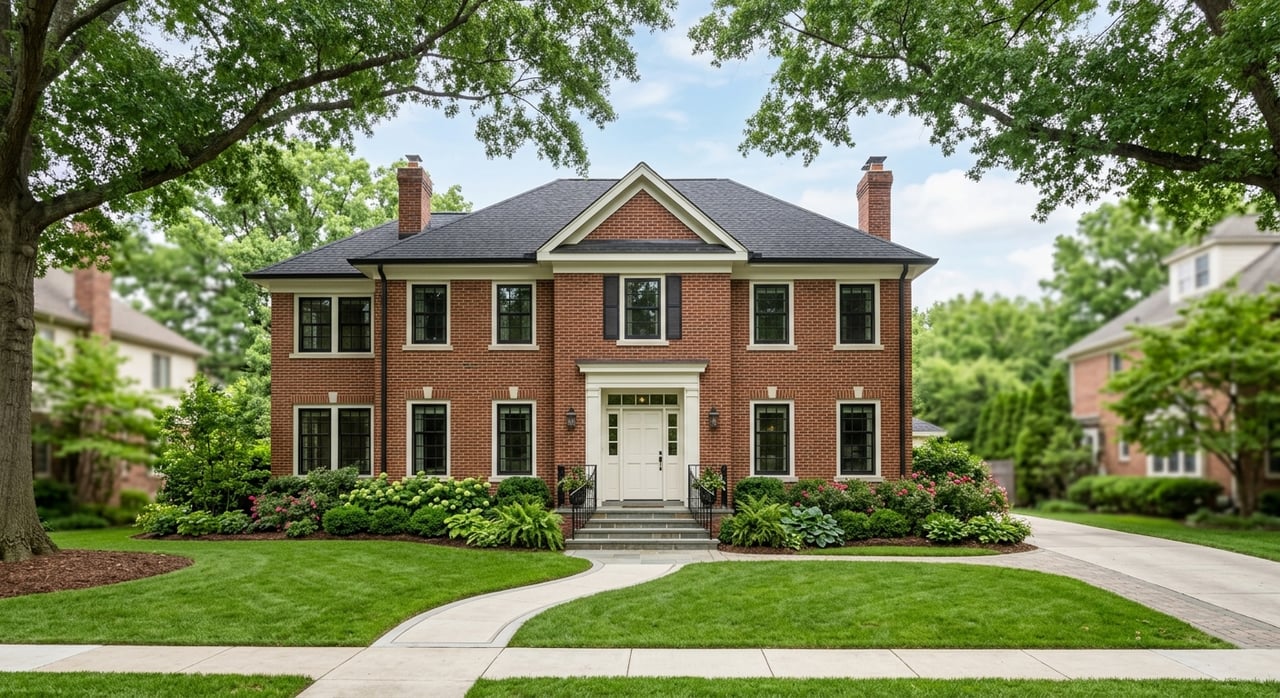
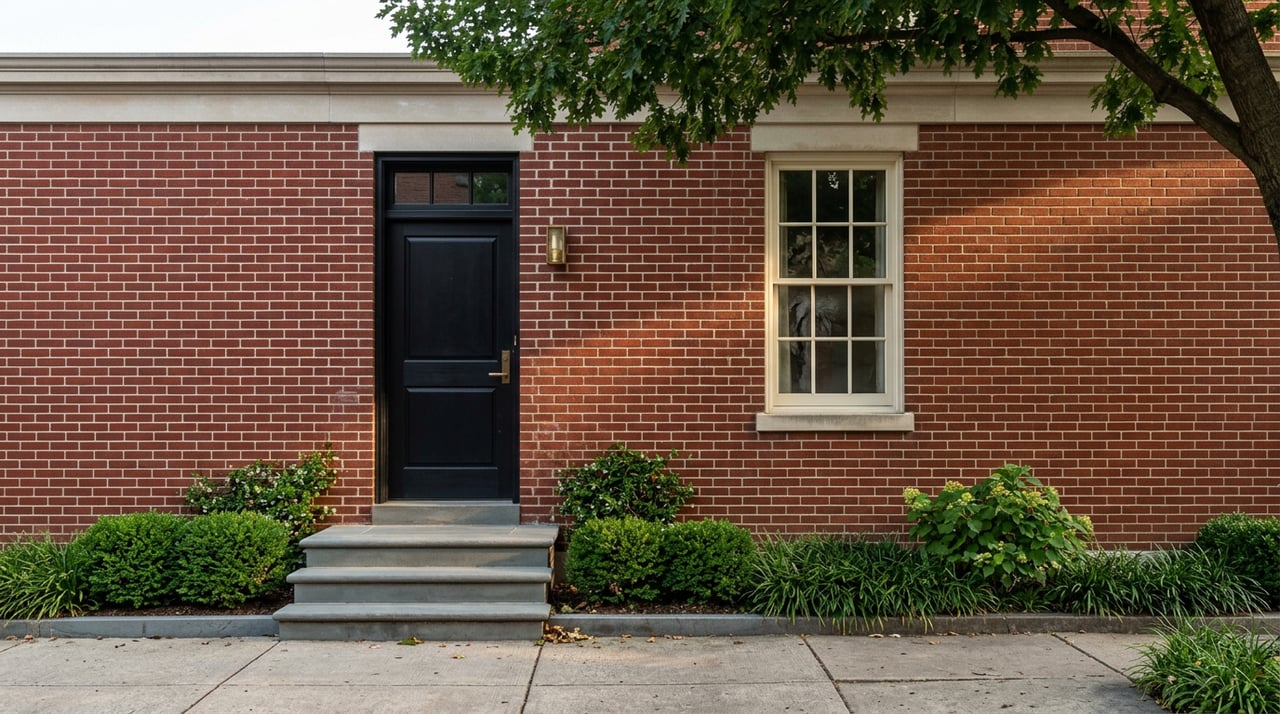
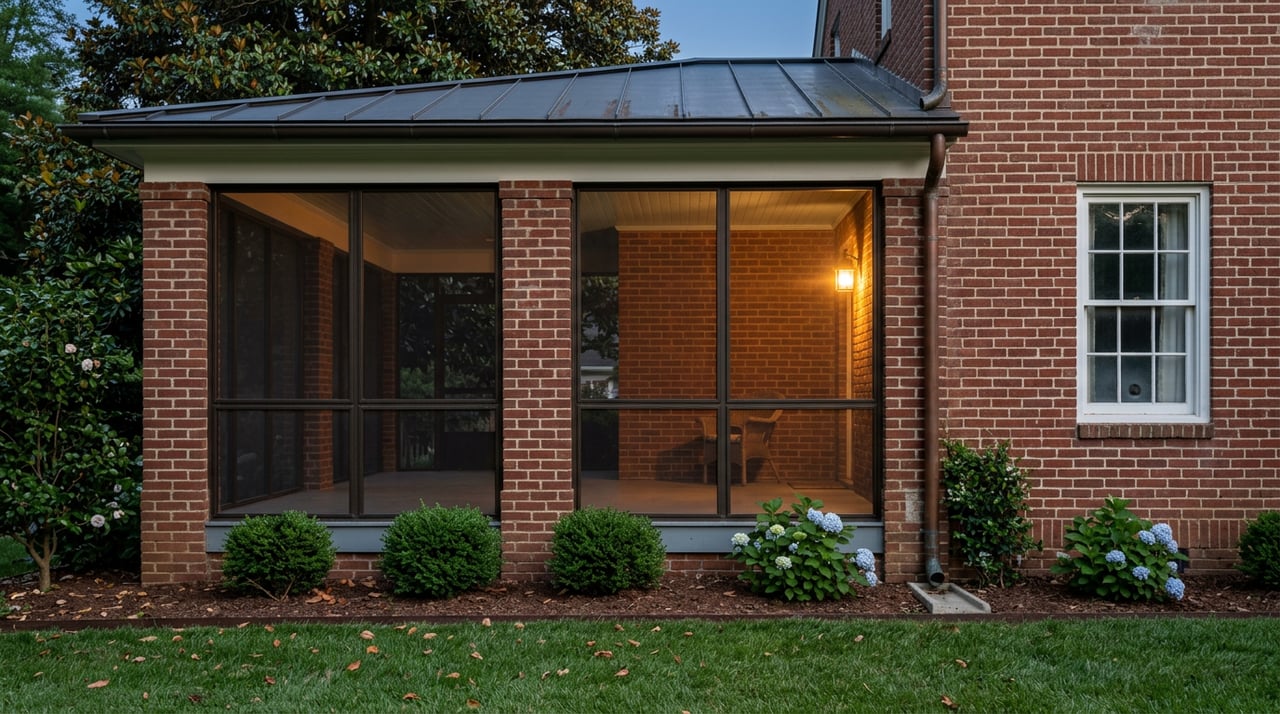
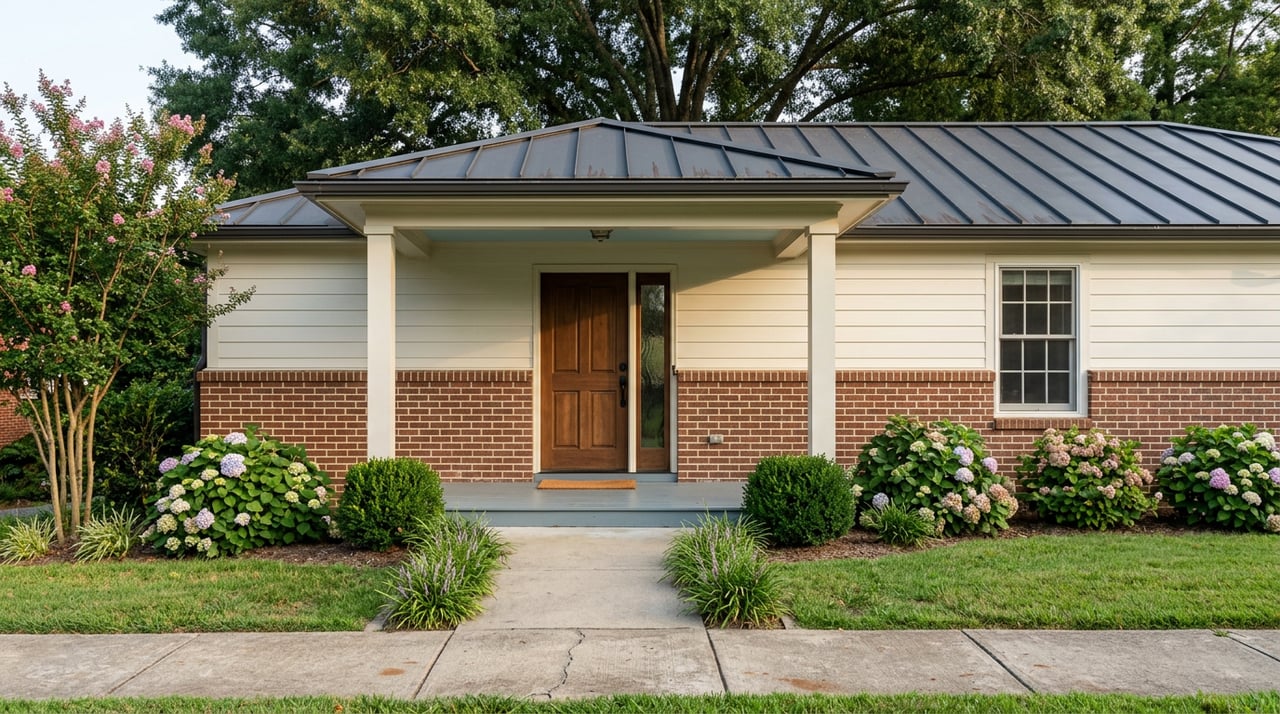
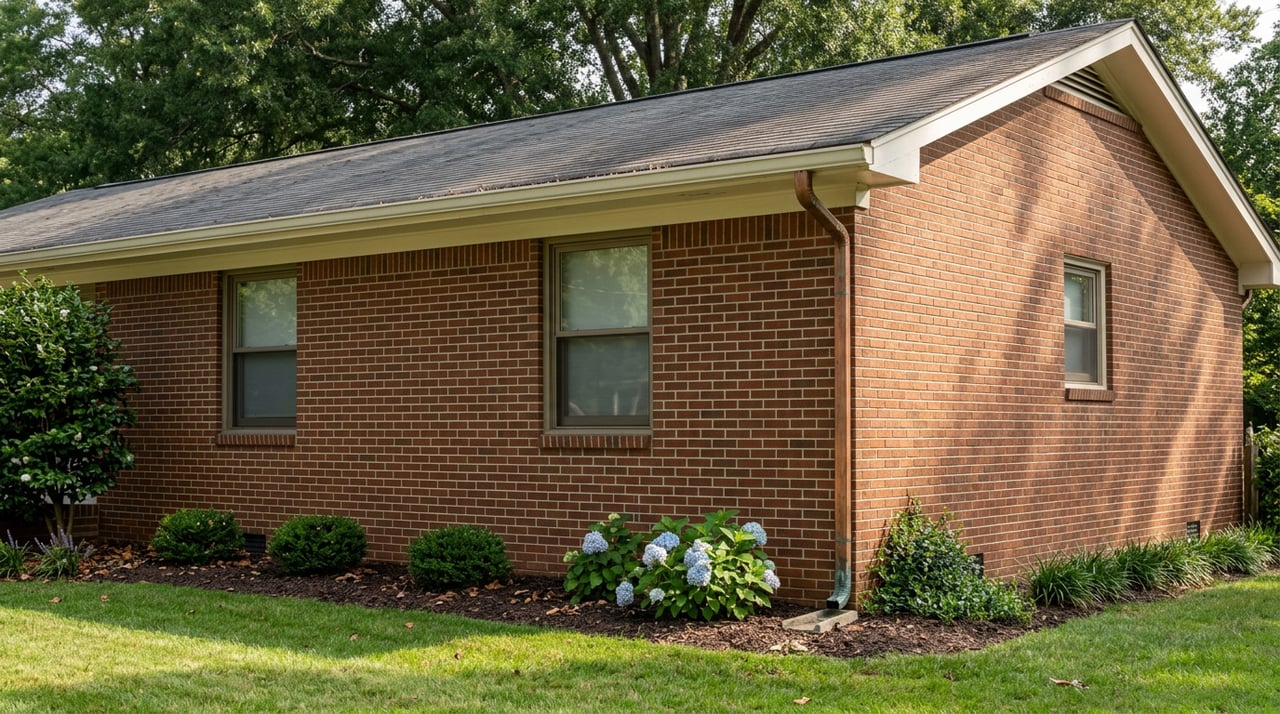
One of the biggest mistakes buyers make is assuming the Eastside has one dominant home style. It does not. The area includes a broad mix of new traditional homes, brick ranch homes, Colonials, Greek Revivals, and homes in master-planned communities, based on the Homes.com neighborhood guide.
That variety can be a real advantage. If you want options beyond a cookie-cutter streetscape, the Eastside gives you more room to match your budget, maintenance preferences, and design taste.
Several Eastside neighborhoods show how much housing stock can vary. Del Norte/Eastgate includes mostly brick homes from the early 1970s, with ranch and split-level floor plans common throughout its 483-home community.
Pelham Estates includes homes built from 1965 to 1996, with ranch plans and two-story traditional homes both represented. In Botany Woods, the neighborhood reports an early 1960s origin and a mix of traditional and contemporary homes under a mature tree canopy.
There are also older-end outliers near downtown. East Park Historic includes Craftsman and Arts-and-Crafts character, with homes dating from 1834 to 2019 because of restorations and infill.
When you compare Eastside homes, age alone will not tell you enough. A 1960s or 1970s house may have extensive updates, while a newer-looking listing may still need work in key systems or finishes.
That is why smart buyers usually compare condition, lot, and neighborhood setup first, then treat square footage as only one piece of the value picture. In a mixed housing area like the Eastside, those details often explain pricing better than the year built alone.
On Greenville’s Eastside, lot size is one of the biggest differences from one pocket to another. Recent neighborhood data shows average lot sizes of about 0.27 acres in East Park Historic, 0.34 acres in Del Norte, 0.65 acres in Botany Woods, and 0.87 acres in Pelham Estates, based on neighborhood pages compiled by Palmetto Park.
That range matters when you think about privacy, yard maintenance, outdoor use, and long-term value. A buyer who wants less upkeep may prefer a smaller lot, while someone who wants more breathing room may focus on neighborhoods with larger parcels.
This is one reason it helps to define your priorities early. If you only search by price and bedroom count, you can miss major differences in how a property will actually live.
Another common mistake is assuming all Eastside neighborhoods work the same way when it comes to dues and rules. They do not.
For example, Pelham Estates describes itself as a neighborhood without an HOA. Del Norte/Eastgate lists annual dues of $100 for lights, signs, insurance, office supplies, and common-ground maintenance, while Botany Woods has an HOA and a resident-only pool with guest fees.
For you as a buyer, the takeaway is simple: verify the details at the neighborhood level. The Eastside label alone will not tell you whether a home comes with formal dues, shared amenities, or added restrictions.
Eastside pricing generally lands in the low-to-mid $400,000s, but the range is wide. Homes.com reports a median home price of $450,000, a median list price of $437,450, and an average price per square foot of $223. A separate Eastside market page on Redfin reports a median sale price of $409,950 over the last 12 months.
Those figures do not match exactly because list-based and sale-based numbers measure different things. Still, they point in the same direction: Eastside pricing tends to sit above Greenville’s citywide median.
That broader context is important. Zillow’s Greenville home values page shows a city median sale price of $340,967 in January 2026, while Realtor.com reports a median home price of $402,308 in 29607 and a median listing price of $479,500 in 29615 in early 2026.
The Eastside is better understood as a collection of submarkets than a single market. Neighborhood-level examples make that clear.
Del Norte shows a median price of $429,000 with an average lot size of 0.34 acres. East Park Historic shows a median price of $641,500 with an average lot size of 0.27 acres, and Pelham Estates shows a median price of $822,000 with average lots just under 0.87 acres.
Botany Woods shows recent sales ranging from $360,000 to $990,000. That is a large spread, and it highlights a key point for buyers: updates, lot quality, and exact location can move value significantly even within the same Eastside corridor.
Greenville County’s broader housing picture helps explain why established Eastside neighborhoods can command a premium. The county’s five-year review document reported a 2023 median home price of $343,000 and noted continuing supply gaps.
When supply stays tight, buyers often compete harder for homes in established neighborhoods with strong location advantages. On the Eastside, that can mean paying more for mature lots, established streetscapes, and convenient access patterns.
A smart Eastside strategy starts with clarity about tradeoffs. Because the area offers so much variety, your best move is to decide which features matter most before you fall in love with a listing.
Here are a few practical filters to use early:
If you approach the Eastside as a set of micro-markets instead of one neighborhood, you will make better decisions. That usually leads to fewer surprises and more confidence when it is time to write an offer.
Greenville’s Eastside remains one of the area’s most practical and flexible places to buy, especially if you want convenience, established neighborhoods, and a wider range of home types than you will find in many newer developments. But it rewards buyers who do their homework.
The smartest approach is not to ask whether the Eastside is good or bad. It is to ask which part of the Eastside fits your budget, priorities, and lifestyle best. If you want grounded, neighborhood-level guidance as you compare your options, David Dunford can help you sort through the tradeoffs and move forward with clarity.
Stay up to date on the latest real estate trends.
Whether you're buying, selling, or just need some advice, David is here to provide expert, personalized assistance