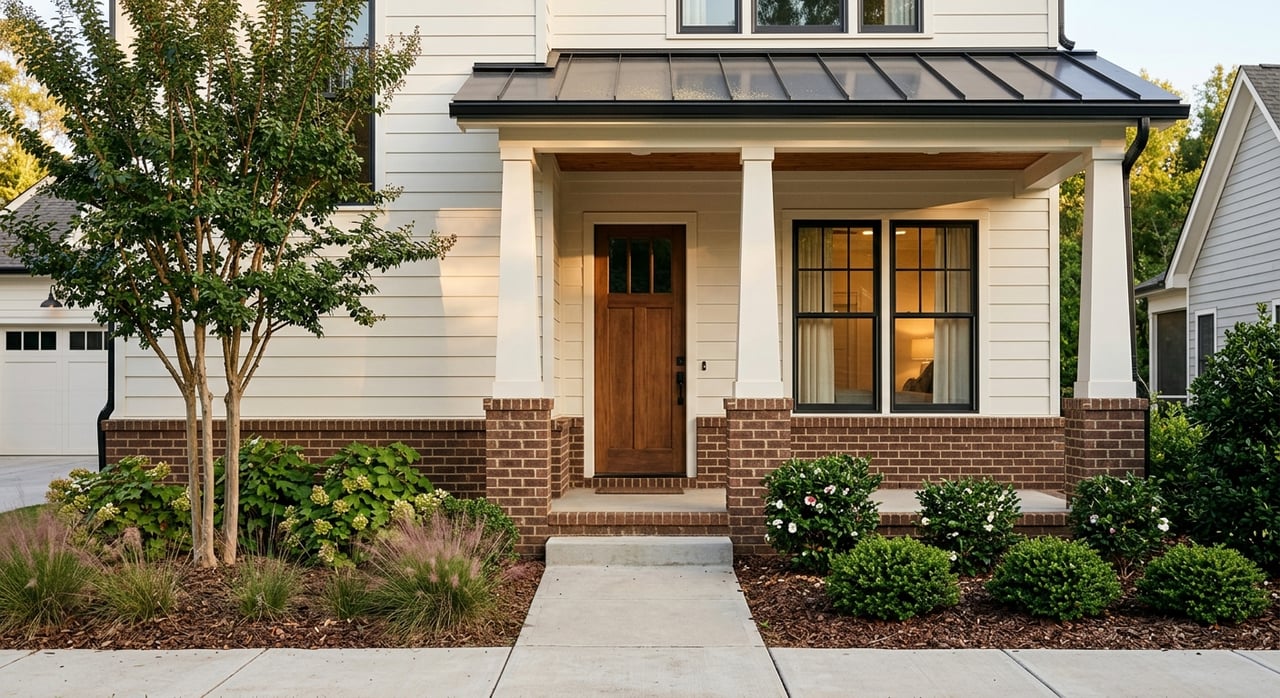
What It’s Like To Live In Simpsonville Today
April 2, 2026
April 2, 2026
If you are wondering whether Simpsonville still feels like a small town or if it has become something more built-up, the honest answer is that it feels like both. You get a suburban setting with established neighborhoods, newer housing options, parks, and everyday convenience, but you also see visible change in downtown, trail planning, and community spaces. If you are thinking about moving here, this guide will help you understand what daily life in Simpsonville looks like today and what that could mean for your home search. Let’s dive in.
Simpsonville presents itself as a suburban Upstate city with a strong local identity and an active growth story. On the city’s official website, you will see that emphasis clearly through parks, community events, downtown activity, and local shops and restaurants.
That same theme carries through the city’s planning documents. Simpsonville’s planning reports and long-range documents describe a city thinking carefully about how it should grow over the next 10 to 20 years, with downtown projects and trail improvements still in progress.
For most people, day-to-day life in Simpsonville feels practical and easy to settle into. The city still has a strong suburban housing base, which means your routine may center around neighborhood living, errands, parks, and getting around the broader Greenville area.
At the same time, Simpsonville does not feel static. City planning points toward a more connected, mixed-use future with better pedestrian and bicycle links, downtown improvements, and continued coordination with Greenville County and nearby municipalities through the city’s comprehensive plan.
If you have not been to downtown Simpsonville recently, this is probably the biggest shift you will notice. According to the mayor’s welcome, downtown now includes restaurants, boutiques, a food hall, murals, mixed-use development, and the first stretch of Simpsonville’s segment of the Swamp Rabbit Trail.
The city also points to a festival street, traffic realignment, and a new municipal complex as part of the current downtown buildout. In other words, downtown is not just getting a cosmetic refresh. It is being shaped into a more active civic and social center.
One helpful thing to know is that downtown Simpsonville is evolving through several coordinated efforts rather than a single headline project. The city’s downtown master plan page shows a focus on streetscape design, traffic flow, and the overall public realm.
That matters because it affects how a place feels over time. A downtown with better public spaces, mixed-use planning, and improved movement tends to support more consistent activity throughout the day instead of only drawing attention during special events.
A few blocks from downtown, the Simpsonville Arts Center adds another layer to everyday life. The city says it hosts local theater and art shows, which gives the area a stronger civic and cultural identity beyond shopping and dining.
For you as a buyer, that can shape how a place feels on an ordinary weeknight or weekend. It suggests that downtown Simpsonville is becoming a place where people gather for different reasons, not just a corridor you drive through.
Outdoor access is one of the clearest strengths of living in Simpsonville today. The city says its parks and recreation department focuses on wellness, physical activity, and cultural experiences for all ages on the official city site.
That is not just a generic statement. Simpsonville has a fairly varied park system, which gives residents different ways to use their free time depending on what matters most to them.
According to the city’s parks and facilities page, local options include:
For many buyers, that kind of mix matters more than having one signature park. It gives you options for workouts, playtime, events, walking, and everyday outdoor routines.
The Swamp Rabbit Trail has become an important part of how people think about lifestyle across the Greenville area, and Simpsonville is working to expand its role in that network. The city’s comprehensive plan states that the first section of the Swamp Rabbit Trail in Simpsonville was recently completed.
The city’s 2024-25 comprehensive plan evaluation says staff is still working on extending Simpsonville’s portion, improving trailhead amenities, and planning future connections. The same evaluation also notes coordination with SCDOT, property owners, and developers, with future phases intended to connect toward Fountain Inn.
Even if you are not an everyday cyclist, trail access often changes how connected a city feels. It can support recreation, community activity, and a more pedestrian-aware environment over time.
In Simpsonville, the key point is that trail access is no longer just an idea. It is already part of the city, and the planning effort suggests more is still on the way.
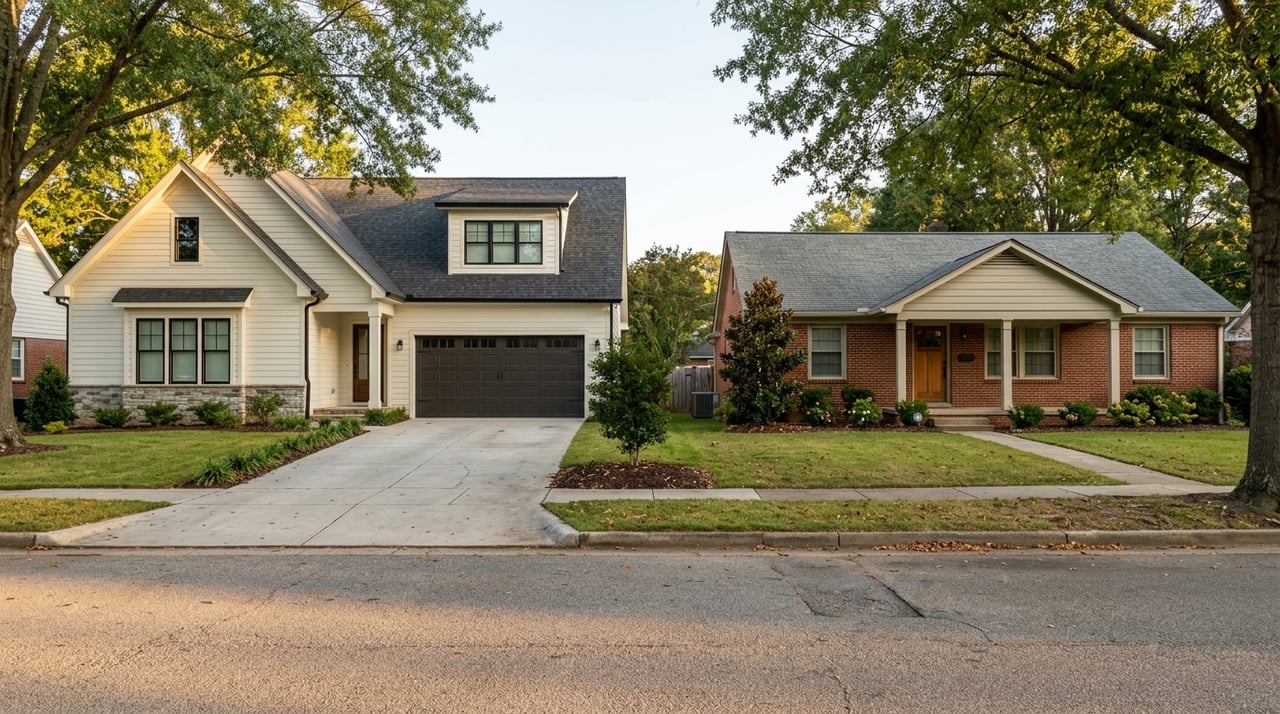
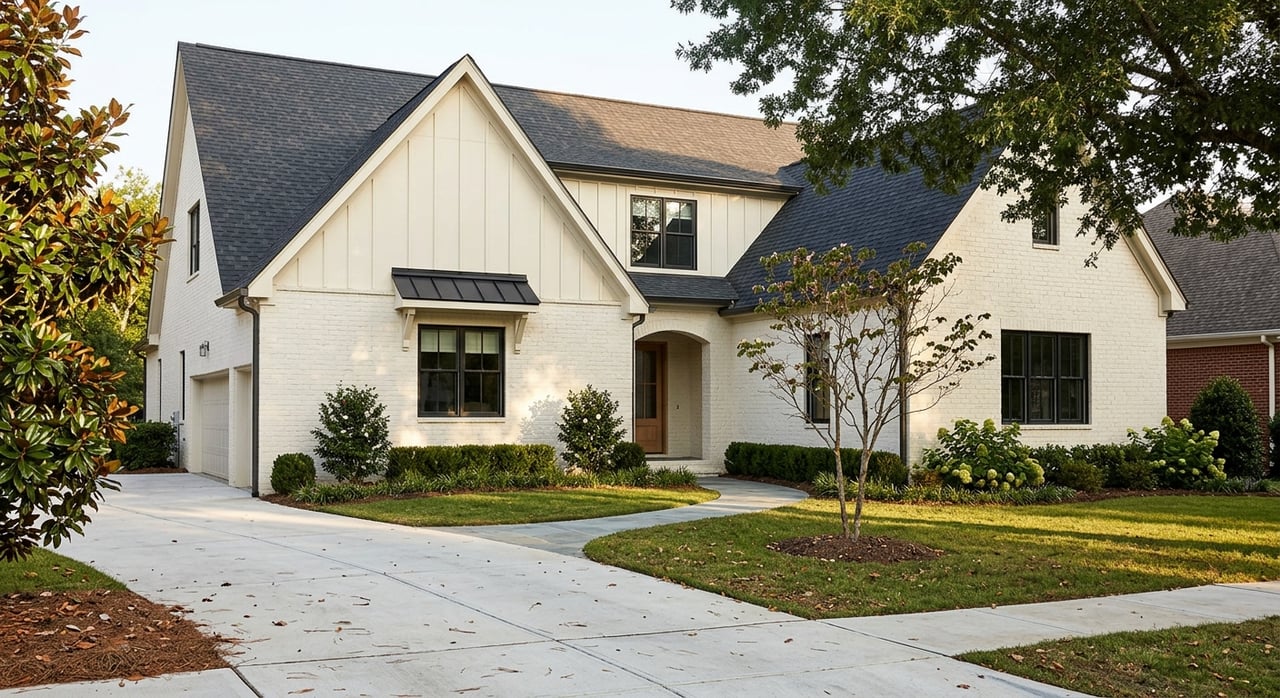
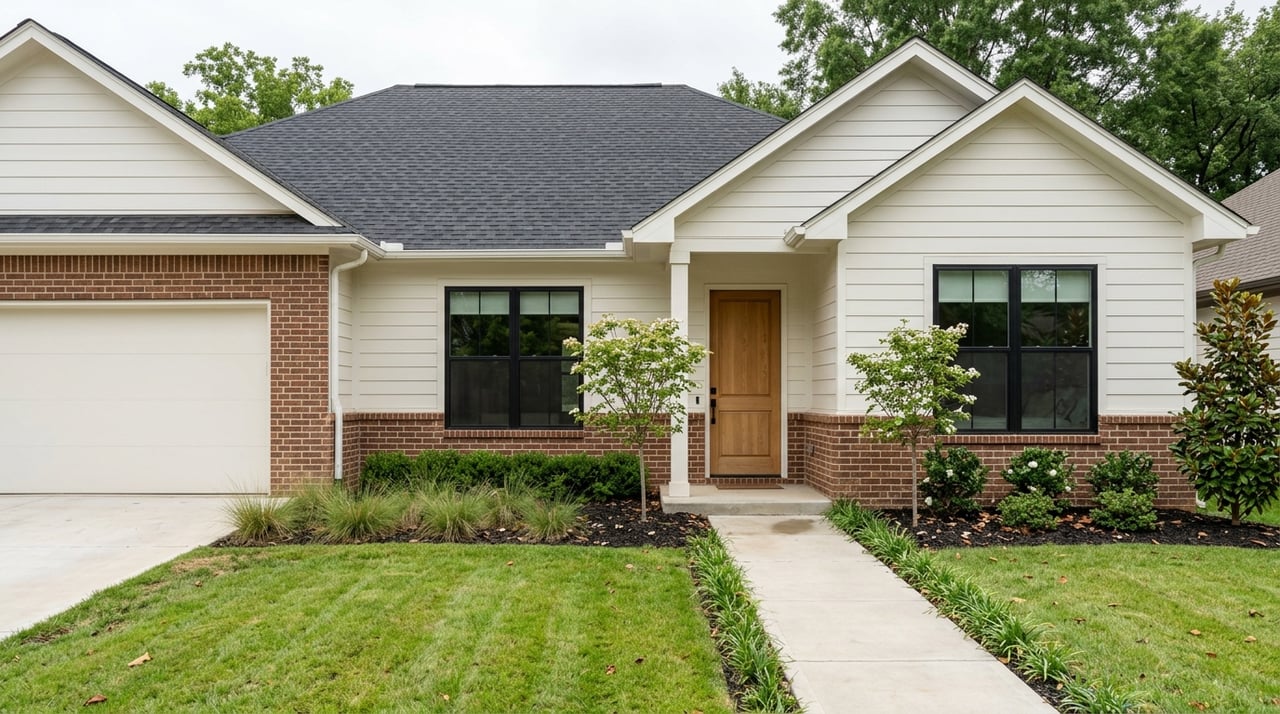
Simpsonville is still primarily a suburban single-family market, but it is not limited to one type of neighborhood. The city’s comprehensive plan describes low-intensity neighborhoods as mostly single-family areas with larger lots and lower density.
It also outlines medium-intensity neighborhoods with smaller-lot homes, townhomes, and some multi-family housing, plus high-intensity nodes near activity centers where apartments, condos, and similar housing types may be located. That framework gives you a good sense of why the local housing search can feel more varied than the old subdivision-only stereotype.
In practical terms, your Simpsonville options may include:
That range is an inference based on the city’s land-use categories, redevelopment goals, and mixed-use planning in the comprehensive plan. If you are relocating, this is one reason it helps to look beyond broad assumptions and compare specific pockets of the city.
One of the more reassuring parts of Simpsonville’s story is that growth appears to be actively managed. The city publishes a residential development guide, zoning maps, a future land-use map, and ongoing planning evaluations through its planning department resources.
That does not mean every change will appeal to every buyer. It does mean the city is paying attention to how neighborhoods evolve, how redevelopment fits into the larger plan, and how infrastructure and land use connect over time.
Simpsonville is very much part of the broader Greenville and Upstate picture. The city’s planning documents describe coordination with Greenville County and neighboring municipalities, along with goals around sidewalks, gateways, and better pedestrian and bicycle connections.
If you work in or spend time across the greater Greenville area, that regional orientation matters. Simpsonville offers a suburban home base, but the city is planning with the wider area in mind rather than operating as an isolated pocket.
Simpsonville can appeal to several types of buyers because it blends suburban living with an evolving town center. If you want a place where parks, neighborhood living, and everyday convenience matter, Simpsonville has a lot to offer.
It may also be worth a closer look if you want a housing search that includes both traditional single-family options and some newer or more compact choices near activity centers. And if you value seeing real investment in downtown and trail connections, Simpsonville’s current direction is meaningful.
What it is like to live in Simpsonville today comes down to balance. You get a city that still feels suburban at its core, but one that is also investing in downtown, recreation, cultural spaces, and better connectivity.
That combination is a big reason Simpsonville continues to stand out in the Upstate. If you want help comparing neighborhoods, housing options, or lifestyle fit in Simpsonville and the surrounding Greenville area, David Dunford can help you make a more confident move.
Stay up to date on the latest real estate trends.
Whether you're buying, selling, or just need some advice, David is here to provide expert, personalized assistance